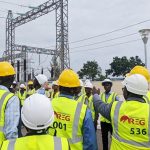
Despite gradual improvements, Rwandans remain dissatisfied with governance and public service delivery, according to a 2025 survey by the Rwanda Governance Board (RGB). Overall citizen satisfaction stands at 76.7%, falling short of the 80% minimum benchmark and well below the government’s target of more than 90% under the National Strategy for Transformation Phase Two (NST2).
The Rwanda Governance Board conducts an annual Citizen Report Card (CRC) survey to gauge public perceptions of governance and service delivery in institutions closest to citizens. The survey collects views on issues affecting daily life and informs government accountability and policy adjustments.
The 2025 survey showed progress in some sectors, with national security recording 92.1% satisfaction, while compliance with governance principles and trust in leadership institutions scored 90.1%. However, sectors such as land management, housing, environmental protection, and social welfare remained far behind, with satisfaction levels at or below 60%.
The CRC results closely mirrored findings from a separate RGB inspection conducted this year across 50 public institutions, including 19 central government agencies, 15 districts, and 16 public hospitals. The inspection examined issuance of construction permits, resolution of citizens’ complaints, services under the Vision 2020 Umurenge Program (VUP), and the compensation of service providers.
Of all indicators assessed, only compliance with service delivery guidelines and courteous reception of citizens scored above 80%. Overall performance averaged 77.8%, with government agencies scoring 77.9%, districts 76.18%, and hospitals 79.2%.
During a presentation of the survey results on Tuesday, the City of Kigali leadership and development partners under the Joint Action Development Forum (JADF) were told that only six districts nationwide, excluding those in Kigali, have reached satisfaction levels of at least 80%. These gains have been maintained for just two years, starting in 2023.
Within Kigali, Kicukiro District ranked highest at 79.6%, followed by Nyarugenge at 77.6% and Gasabo at 74.5%. Services related to social protection and support for vulnerable populations remained particularly low.
Célestin Ngaruyinka, head of governance at JADF in Kicukiro, said addressing poverty and weak service delivery requires joint efforts by government and development partners. “Poverty reduction is not the government’s responsibility alone,” he said. “We must work together to lift citizens out of poverty and improve their access to essential services.”
The Vice Mayor in charge of Socio-Economic Affairs, City of Kigali, Martine Urujeni said the city will continue reforms in underperforming sectors, including land services, to ensure faster, higher-quality service delivery.
RGB Director General Dr. Doris Picard Uwicyeza described the CRC as a platform for citizens’ voices. “Where performance is weak, we must take corrective action,” she said.
Officials said the survey’s recommendations will guide improvements in governance, public service delivery, and collaboration among development partners nationwide.