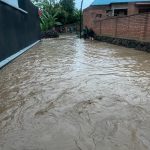
Rwanda has recorded a sharp decline in the number of homes destroyed by natural disasters in recent years, a trend authorities attribute to growing investments in climate resilience, even as disasters continue to exact a heavy human and economic toll.
According to the Rwanda Statistical Yearbook released Dec. 31, 2025, by the National Institute of Statistics of Rwanda, houses destroyed by disasters dropped by 78.59% between the 2020/2021 and 2023/2024 fiscal years. The number fell from 12,912 homes in 2020/2021 to 2,765 in 2023/2024.
The data point to uneven impacts across the country. The Western Province was the hardest hit between 2020 and 2024, losing 15,780 houses to disasters, followed by the Northern Province with 6,612. The Eastern Province recorded 5,871 destroyed homes, the Southern Province 4,958, while the City of Kigali saw 2,145 homes damaged or destroyed.
At district level, Rubavu accounted for nearly half of the losses in the Western Province, with 7,526 homes destroyed over the four-year period. Ngororero lost 2,741 houses, Burera 2,036 and Nyagatare 1,617.
The damage was caused by a range of hazards, including floods, heavy rains, landslides, earthquakes, strong winds, fires and lightning strikes, reflecting Rwanda’s exposure to both climate-related and geological risks.
While housing losses have declined, disasters remain a significant strain on public finances. During an October 2025 consultative meeting on disaster risk management organized by the Ministry of Environment and its partners, officials said government spending to respond to disasters has steadily increased since 2014, reaching between 1% and 2% of gross domestic product, or about 4.3% of total government expenditure.
Authorities estimate Rwanda spends about 210 billion Rwandan francs each year responding to disaster impacts. Without early risk-reduction measures, losses could reach at least $345 million once every 50 years.
Minister in Charge of Emergency Management Maj. Gen. (Rtd) Albert Murasira said the government is prioritizing resilience to reduce future losses. He noted that responding after disasters strike often comes too late to prevent damage.
The Ministry in Charge of Emergency Management has outlined five priorities, including pre-positioning resources before disasters occur, aligning disaster financing with national policies, strengthening public-private partnerships, boosting public awareness and building capacity, in line with Rwanda’s goal of becoming a resilient economy by 2035.
Between 2025 and early 2026, disasters killed 297 people, including 183 struck by lightning. They also destroyed 2,268 hectares of crops, killed 134 cattle and, in 2025 alone, damaged homes, classrooms, power lines, bridges and other infrastructure nationwide.