In a major step toward regional energy integration, Rwanda and its neighbors have officially launched construction of the long-anticipated Rusizi III hydropower project—a $640 million initiative that aims to generate 206 megawatts of electricity and supply power to millions of households. The project marks one of the most ambitious cross-border energy ventures in the region in decades.
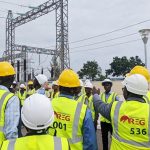
On Monday, Rwandan Minister of Infrastructure Dr. Jimmy Gasore toured the proposed construction site in Rusizi District, alongside U.K. Ambassador to Rwanda Alison Thorpe, U.S. Embassy representative John Armiger, and European Union Ambassador Belén Calvo Uyarra.
The dam, to be built on the Rusizi River at the border between Rwanda and the Democratic Republic of Congo (DRC), is a joint venture between Rwanda, Burundi and the DRC. It will be located in Nzahaha Sector and is one of the region’s most ambitious energy projects in decades.
“This project will significantly increase our electricity capacity in a sustainable way,” said Gasore. “We’re confident that diplomatic or political issues between the partner countries will not derail this important infrastructure.”

Minister Gasore with Ambassador Alison Thorpe (UK), John Armiger (US), and Ambassador Belén Calvo Uyarra (EU) at the proposed construction site in Rusizi District.
The project has been in development for over a decade. In 2019, the three partner nations signed a formal agreement to begin construction, originally slated for 2021. Officials now expect the plant to be operational by 2030, following a five-year construction period.
Mohsin Tahir, the project director, said Rusizi III will not only benefit the participating countries, but the wider African continent.
“This is more than a power plant,” he said. “It’s a model of cross-border cooperation and sustainable development.”
The project is expected to create more than 2,000 jobs during construction and will use shared natural resources to serve regional energy needs. It will be overseen by the Energy Development Coordination Agency under the Economic Community of the Great Lakes Countries (CEPGL).
Charles Vumbi Mbenga, the agency’s director general, urged partner nations to uphold their commitments and prioritize security at the construction site once work begins.
“This project’s success depends on sustained cooperation,” he said.
Rusizi III is part of a broader push to expand infrastructure and electricity access across sub-Saharan Africa. Once completed, the plant will play a critical role in stabilizing power grids and supporting economic growth throughout the region.