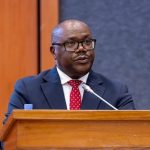
Prime Minister Dr. Justin Nsengiyumva on Tuesday presented Rwanda’s 2025–2029 development program to a joint session of Parliament, pledging to boost the country’s economy by an average of 9.3% annually over the next five years.
The second phase of the National Strategy for Transformation (NST2) is built on three pillars — economic growth, social well-being, and good governance — with a central goal of raising citizens’ incomes and improving quality of life.
Per capita income is projected to rise from $1,040 in 2023 to just over $1,360 by 2029. Agriculture is expected to grow by more than 6% annually, while industry and services are forecast to expand by over 10% each year. Industrial output, particularly in value-added manufacturing, is targeted to grow by 10.4% annually.
Dr. Nsengiyumva said achieving this will require stronger investment, with total investment expected to reach 32.1% of GDP by 2029, driven largely by private sector growth from 15.9% in 2023 to 21.5%.
On trade, export revenues are projected to more than double from $3.5 billion in 2023 to $7.3 billion in 2029, growing by an average of 13% a year, while imports are expected to grow by 8.7%. This would improve the export-to-import coverage ratio from 61% to 77%.
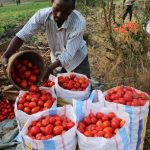
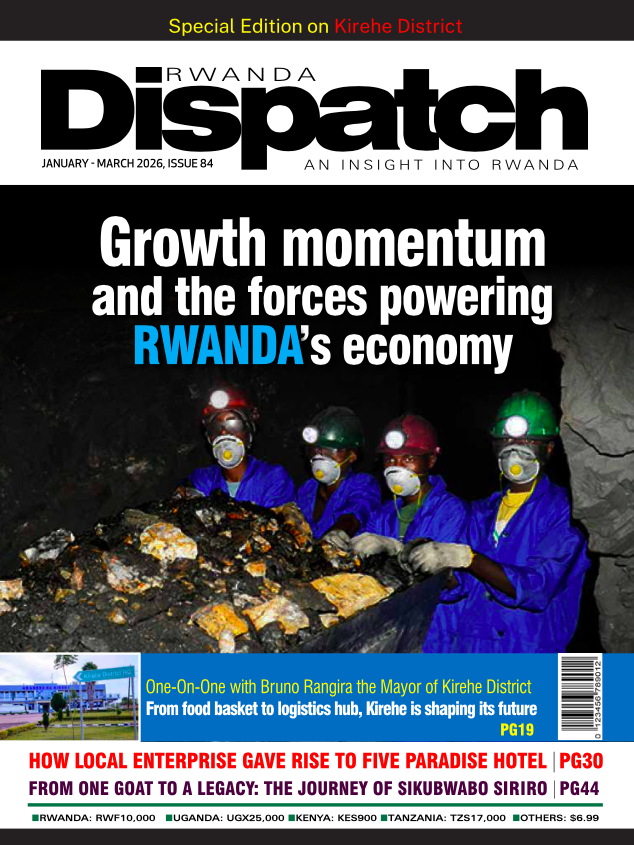
Traditional exports such as coffee and tea, along with processed goods, minerals, flowers, vegetables, and fruits, will play a key role. Mineral exports alone are expected to rise from $1.1 billion to $2.1 billion, supported by professional, environmentally responsible mining and greater value addition domestically.
The plan also aims to double the national savings rate from 12.4% of GDP to 25.9% by 2029, while keeping inflation between 2% and 8% in the medium term.
“We will focus on boosting productivity across all sectors and ensuring that growth translates into better livelihoods for our citizens,” Dr. Nsengiyumva told lawmakers.