When Donald Trump proclaimed in July that Pakistan was sitting on “massive oil reserves,” the claim landed like a thunderclap. For a country importing nearly 80 percent of its petroleum and reeling from chronic foreign exchange shortages, such words offered a vision of sudden prosperity. Yet in energy circles, the statement was met not with celebration but with puzzlement.
A senior official at one of Pakistan’s state-owned oil companies dismissed the remark as fanciful. As reported in the Financial Times on 29 Aug 2025, the official described it as “completely out of left field,” insisting that no billion-barrel oilfield lies hidden beneath the country’s soil. Another official echoed the skepticism: “There is no mysterious reservoir waiting to end our import bill overnight.”
Between Skepticism and Opportunity
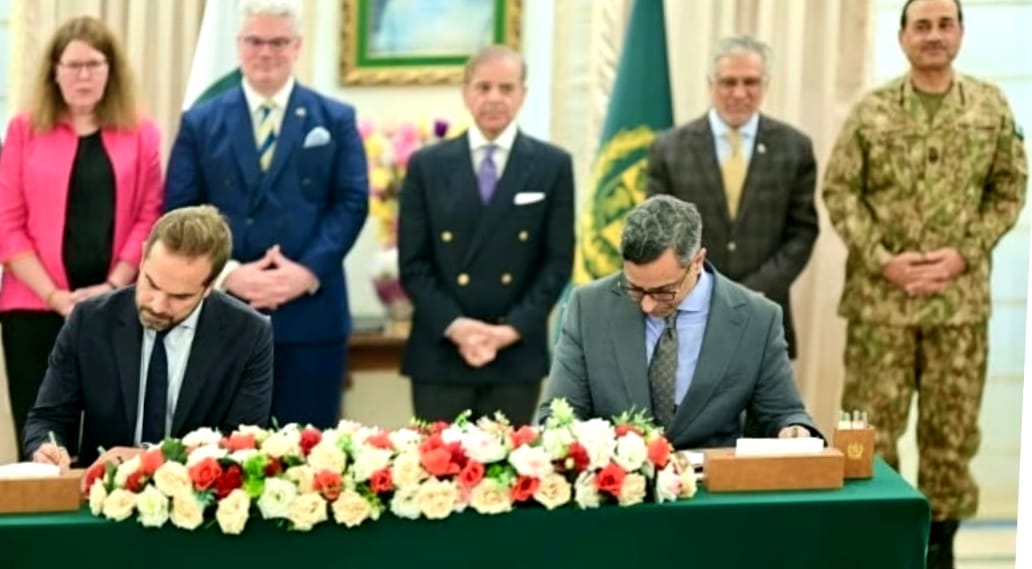
Trump’s remark coincided with a new U.S.–Pakistan trade deal, which lowered tariffs and opened avenues for cooperation in energy, mining, and even emerging sectors like cryptocurrency. Prime Minister Shehbaz Sharif hailed the agreement as a diplomatic breakthrough, one made possible with strong backing from Pakistan’s military leadership.
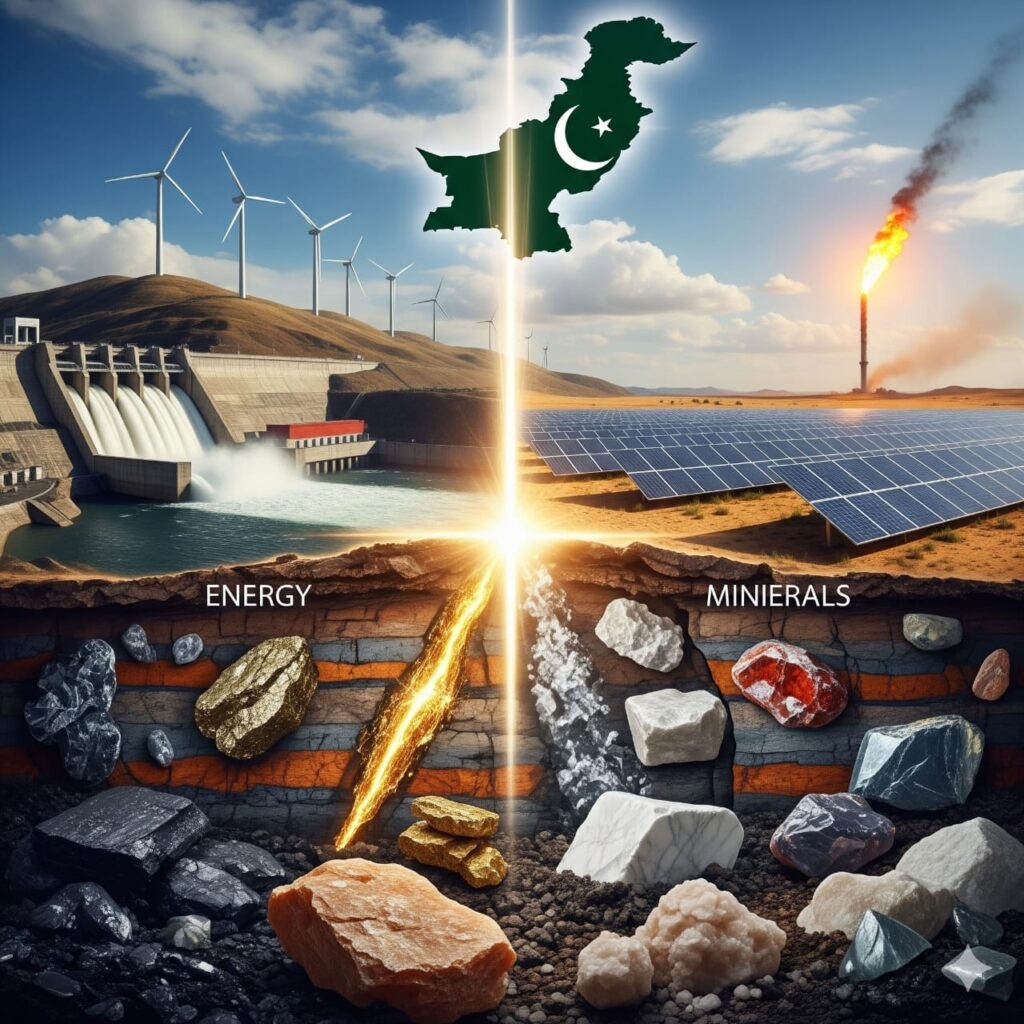
Concrete steps followed quickly. In October, Pakistan is set to receive its first shipment of U.S. crude oil—a symbolic start to energy trade. In September, the military-run Frontier Works Organization finalized a $500 million deal with U.S. Strategic Metals to establish a refinery for copper, gold, and rare earths. Around the same time, the Asian Development Bank approved a $300 million loan to support the vast Reko Diq copper-gold mine, one of the world’s largest untapped deposits.
On paper, these moves look promising. Yet analysts urge caution. “Pakistan’s shale oil and gas resources exist only in estimates, not confirmed reserves,” explained Prateek Pandey, vice president at Rystad Energy, noting that commercial viability remains years away.
Khyber Pakhtunkhwa: A Fragile Frontier
While trade agreements capture headlines, much of Pakistan’s real exploration activity is unfolding in Khyber Pakhtunkhwa and the tribal belt. Recent discoveries in Waziristan have begun producing more than 100 million cubic feet of gas per day alongside several hundred barrels of condensate. Officials claim these finds already save Pakistan hundreds of millions of dollars annually in import costs.
But the promise of resource wealth collides with local realities. Communities in areas scarred by militancy and displacement remain uncertain about what benefits, if any, will reach them.
“People here have seen promises before,” said a schoolteacher from Mir Ali in North Waziristan. “If gas and oil only benefit the elite in Islamabad, then nothing really changes for us.”
A Global Chessboard
Pakistan’s energy and mineral wealth has become a stage for international competition. China, through the China-Pakistan Economic Corridor, has invested heavily in Balochistan’s mining sector and energy infrastructure. Turkey has signed agreements for offshore exploration. And now the U.S., through new trade and energy deals, seeks to secure a foothold in critical minerals—seen in Washington as vital to countering Beijing’s dominance.
This geopolitical tug-of-war leaves Pakistan navigating a delicate balance. For Islamabad, the challenge is to attract investment without compromising sovereignty or repeating the cycle of unfulfilled promises that has long plagued its resource sector.
Pakistan’s Energy Dilemma
The country’s energy output tells a sobering story. Oil production slipped to just over 62,000 barrels per day in 2025—the lowest in nearly two decades—while natural gas output also declined. With demand rising and imports draining reserves, Pakistan faces the dual challenge of meeting immediate needs while betting on unproven long-term projects.
Former prime minister Shahid Khaqan Abbasi has warned against inflated claims. “You cannot say we have massive oil reserves until they have been discovered. Our last deep offshore attempt came up empty,” he reminded.
Between Hope and Hard Reality
Trump’s declaration of “massive oil reserves” may prove to be more political theater than geological fact. Yet the momentum it generated—through trade deals, new exploration rounds, and symbolic U.S. crude imports—could mark a turning point in Pakistan’s resource story.
The outcome hinges on fragile conditions: political stability, regulatory consistency, and the fair distribution of benefits to regions like Khyber Pakhtunkhwa and Balochistan.
If managed responsibly, Pakistan’s energy and mineral ventures could bring jobs, infrastructure, and long-awaited development. If mishandled, they risk deepening public disillusionment, leaving the dream of resource-driven prosperity once again out of reach.
For now, Pakistan’s gamble sits between hype and hard reality—an uneasy reminder that wealth beneath the ground is never a guarantee of progress above it.