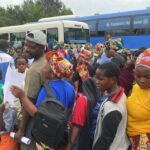
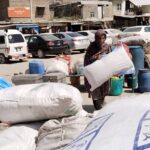
One hundred sixty-one Rwandans who had been living in forests of the eastern Democratic Republic of Congo returned home voluntarily on Tuesday, Feb. 10, officials said.
The group entered Rwanda through the Grande Barrière border crossing and included 110 children, 38 women and 13 men. Their return was facilitated by the M23 armed group, the Rwandan government and the United Nations High Commissioner for Refugees.
Masengesho Ntawuruhunga, one of the returnees, said they had delayed coming back because fighters from the Democratic Forces for the Liberation of Rwanda, or FDLR, had spread warnings that anyone returning to Rwanda would be killed or forcibly recruited.
“I fled in 1994 and lived in Masisi in a place called Kilorirwe. We were afraid to return because they told us that anyone who came back would be killed or forced into the army,” Ntawuruhunga said. “Some people we left behind returned and found peace.”
Another returnee, Mutakambirimana Tharcisse, said the fear of mistreatment kept many from returning sooner.
“We delayed coming back because of the messages that men returning to Rwanda were treated badly and even killed,” he said.
After crossing the border, the group was welcomed by Rubavu District Mayor Mulindwa Prosper, who urged them to rebuild their lives and take advantage of opportunities in Rwanda.
“The way we received you is not how we want to see you again next year,” Mulindwa said. “We expect to find you changed — with children in school, savings, and land, because you have come to a country that values its citizens.”
The returnees were taken to the temporary Kijote camp in Nyabihu District before being reunited with their families. Each person received initial financial support, with adults getting $188 and minors receiving $113, plus basic food supplies worth 40,800 Rwandan francs.
Officials say the number of Rwandans returning from eastern DRC increased after the M23 group captured the city of Goma in January 2025. Since then, about 5,000 Rwandans have returned from the DRC, including those who were living there irregularly or were abducted by the FDLR.