In the dead of night, the whine of a mosquito’s wings pierce the silence, a harbinger of a deadly disease. Across Rwanda this familiar sound is becoming increasingly common as malaria cases climb, driven by the adaptability of mosquitoes themselves.
The Minister of Health, Dr. Sabin Nsanzimana, states, “In districts like Gasabo, Kicukiro, Bugesera, Gissagara, and Nyamagabe, we’ve found hat mosquitoes themselves after being driven out of houses where insecticides have be sprayed, as well as people becoming accustomed to sleeping under mosquitos nets, are changing thier behaviour. The Minister of Health, Dr. Sabin Nsanzimana, states,”In districts like Gasabo, Kicukiro, Bugesera, Gissagara, and Nyamagabe, we’ve found that mosquitoes themselves after being driven out of houses where insecticides have been sprayed, as well as people becoming accustomed to sleeping under mosquito nets, are changing their behavior.
This shift in mosquito behavior means they are now biting people before they even enter their homes, making it easier to transmit the disease. This is the case even when homes have been treated with insecticides or have nets in place – though not everyone uses them consistently. We urge people to keep using nets, though it’s not the only method to prevent malaria. We urge people to keep using nets because; it’s not the only method to prevent malaria.
One of the key factors fueling the malaria outbreak is the increasing presence of places that attract mosquitoes. These include areas under construction near homes, places where water accumulates, such as bottle caps, cans, and other containers that hold water, providing breeding grounds for mosquitoes, which then spread the disease.
Dr. Sabin Nsanzimana emphasizes the importance of eliminating any items around homes that can collect and retain water. He explains, “Even a small bottle cap, which you might think is harmless, can hold over two thousand mosquito eggs when it contains water and is left in your garden. Imagine areas with large amounts of standing water, such as agricultural zones, which attract mosquitoes looking for a resting place. As development progresses, mosquitoes find more places to breed, so we need to take action together.”
Properly managing areas that could trap water, and cutting down bushes where mosquitoes could hide, is one of the most effective measures to combat malaria.
The Ministry has introduced new treatment options to help combat the disease and mitigate the risk of drug resistance.
Additionally, people who experience the symptoms mentioned above are advised to seek medical attention immediately, as malaria is treatable. The Ministry has introduced new treatment options to help combat the disease and mitigate the risk of drug resistance.
Statistics from the World Health Organization (WHO) indicate that global malaria cases increased from 232 million in 2019 to 247 million in 2021, with malaria-related deaths rising from 400,000 to 619,000.
The Ministry of Health reports that the number of malaria cases in Rwanda dropped from 4.8 million in 2016 to 998,000 in 2022.
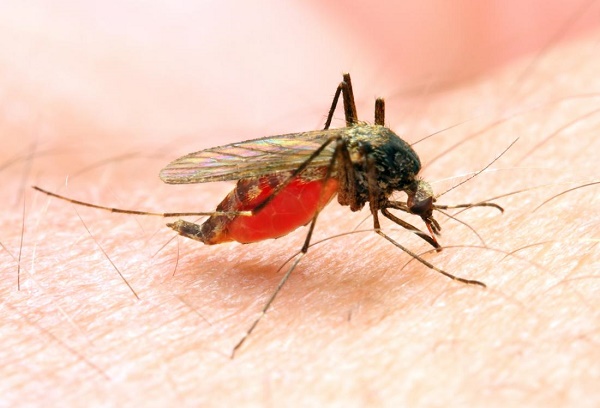
Health authorities emphasize that female mosquitoes (Anopheles) are the primary vectors of malaria.
When a female mosquito seeks blood to nourish her eggs, she bites an infected person carrying malaria-causing parasites (Plasmodium). These parasites then spread to other individuals.
Medical experts explain that once the parasites enter a human, they move to the liver, where they reproduce and then enter the bloodstream, infecting red blood cells and causing the symptoms of malaria.