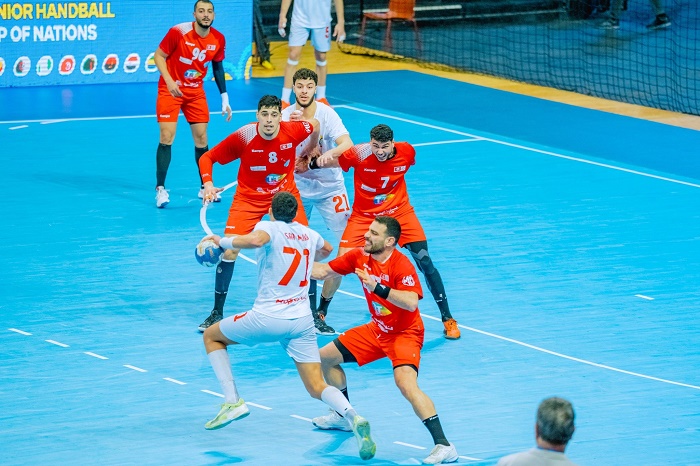
The preliminary round of the 2026 CAHB African Men’s Handball Championship which is taking place in Kigali, Rwanda delivered exactly what fans hope for at a major tournament: dominant performances from the heavyweights, unexpected shocks, and a reminder that Africa’s handball landscape is becoming increasingly competitive.
Eight teams, including traditional powerhouses Egypt, Algeria and Tunisia, have advanced to the main round. But the road there was anything but straightforward, especially for Algeria, who were left reeling after one of the tournament’s biggest surprises.
Seven-time champions Algeria stumbled badly in their opening Group A match, falling 25–23 to Nigeria. After a tight start, Nigeria seized control midway through the first half with a decisive four-goal burst and never relinquished the lead. Algeria mounted a late comeback and closed the gap to two goals in the final minutes, but the damage was already done.
That defeat leaves Algeria starting the main round without a single point and facing a daunting schedule against defending champions Egypt and a disciplined Angola side. It’s a far cry from the expectations that followed last edition’s runners-up.
Nigeria, meanwhile, made the most of their momentum. Comfortable wins over Zambia (36–18) and host nation Rwanda (30–20) secured top spot in the group and positioned them well for a potential semi-final push. One more win—likely against Angola—could not only seal progression but also book a long-awaited return to the IHF Men’s World Championship. Nigeria’s best finish at this tournament dates back to 1998, when fourth place earned them their lone World Championship appearance the following year.
Group B belonged entirely to Egypt. The reigning champions left no room for doubt, brushing aside Gabon (36–25), Angola (41–28) and Uganda (54–13) with clinical efficiency. Their wing players were particularly devastating, consistently topping the scoring charts and setting the tempo in every match.
Angola followed Egypt into the main round after dispatching Uganda and Gabon, but they do so without carry-over points, meaning there is little margin for error going forward.
Tunisia were equally convincing in Group C, powering through Cameroon, Guinea and Kenya with three emphatic victories. Their attacking output; 115 goals across three matches, was among the best of the preliminary phase. Guinea also progressed, thanks to solid wins over Kenya and Cameroon, continuing a quietly impressive campaign.
Group D saw Cape Verde once again underline their growing reputation. Building on strong recent tournament finishes, they collected two crucial points with wins over Congo, Morocco and Benin. Morocco finished second in the group and will look to reset quickly in the main round, where they start from scratch despite two commanding victories to close out preliminaries.
Individually, Guinea’s Natan Jerome Paquiom has emerged as the tournament’s most prolific scorer so far with 26 goals, while Rwanda’s Yves Kayijamahe and Egypt’s Akram Saad have also impressed. Between the posts, Egypt goalkeeper Abdelrahman Homayed has been a standout, boasting a save rate of over 48 percent.
Attention now turns to the main round, which runs from 25 to 27 January. With World Championship qualification on the line, the stakes could not be higher. The top two teams from each group will advance to the semi-finals and secure their tickets to the 2027 IHF Men’s World Championship, while even fifth place could prove golden through the placement matches.
If the preliminary round is any indication, the drama is only just getting started.
Main round group configuration
Group 1: Egypt, Nigeria, Algeria, Angola
Group 2: Tunisia, Cape Verde, Morocco, Guinea
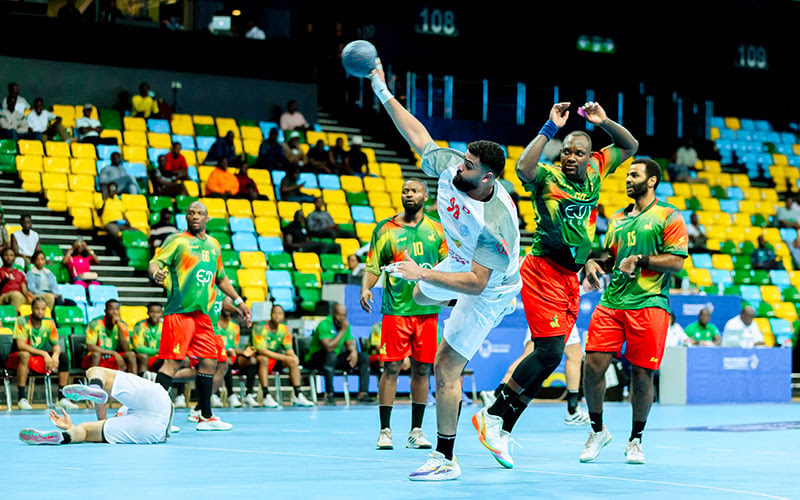
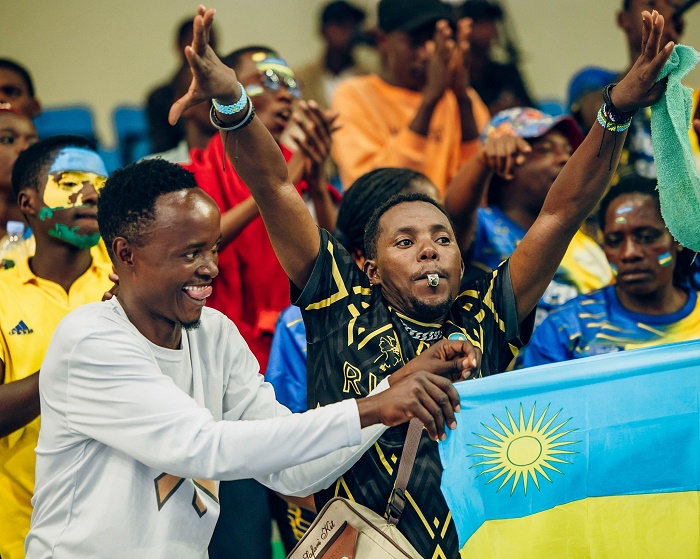
Photo Credit to CAHB and Ferwahand