The Eastern Province urbanization forum held at Epic Hotel in Nyagatare District, on Thursday brought together government officials, development partners, and private sector stakeholders to discuss strategies for sustainable urban development, land use planning, and investment opportunities.
The high-profile gathering was aimed at shaping the future of Rwanda’s largest and most rapidly growing province.
Governor Prudence Rubingisa, who officially opened the forum, highlighted the province’s strategic importance. Home to more than 3.5 million residents and a position bordering Uganda, Tanzania, and Burundi, Rubingisa said Eastern Province was well placed to become a hub for trade, investment, and regional connectivity.
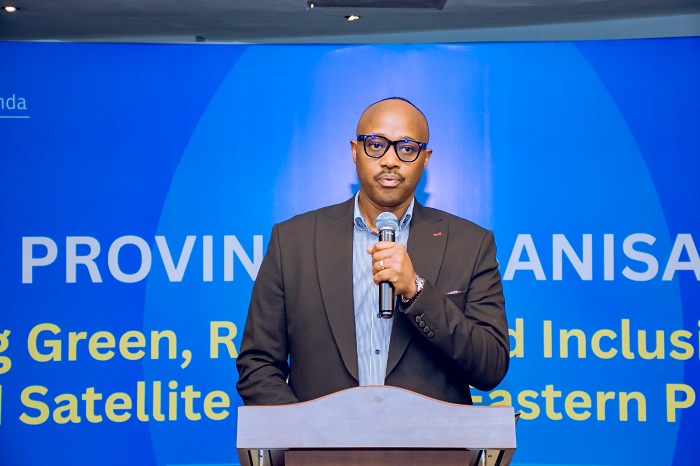
He said urbanization is not just about building cities, but about people, planning, and sustainable communities. “We reviewed all seven districts in Eastern Province and the five satellite cities linked to Kigali City, looked at the master plan and land use, and prepared a five-year implementation plan. The focus now is on putting these plans into action over the next two to three years.
“The population is expected to double in the coming years. Land will not increase, yet we still need to cultivate it. That is why we brought together government stakeholders and development partners to make decisions that ensure residents receive good services.
“We will also plan upcoming industries, decide their locations, and organize settlements to protect the environment, address climate change, and ensure low-emission, well-structured, sustainable cities.”
The Governor noted that urbanization must be carefully managed. It is about aligning national and district plans, protecting the environment, and ensuring that growth benefits all residents,” the Governor said, calling on development partners, mayors, and citizens to play an active role in shaping the province’s future.
Alex Rutagengwa, head of Land Use Management at the National Land Authority, noted that Eastern Province currently has 3.5 million residents, around 26 per cent of Rwanda’s population, but this is expected to rise to 6.7 million by 2025. “The land will not increase, yet the population will,” he said, warning that this will intensify pressure on planning and land use.
Rutagengwa said the forum came at the right moment for leaders to assess progress and agree on the next steps. “We need to guide investors, ensure compliance, and make use of technology like AI to detect illegal constructions. Only then can we build sustainable cities in the Eastern Province,” he said, pointing to opportunities in agriculture, industry, tourism, and residential planning.
Eric Ruzigamanzi, country representative of the World Resources Institute (WRI), drew on lessons from Kigali City to promote green, low-carbon, and climate-resilient urban spaces. He highlighted renewable energy, landscape resilience, and sustainable infrastructure as key priorities for Eastern Province as it faces rapid growth.
He added that Eastern Province is attracting many people moving from Kigali City. “Without proper urban planning, this could lead to illegal and unplanned settlements.”
Marc Manyifike the lead urban resilience, Africa at WRI explained the work of WRI focuses on mobility, climate resilience, and livability; ensuring cities develop safely and sustainably while planning for residents and future growth.”
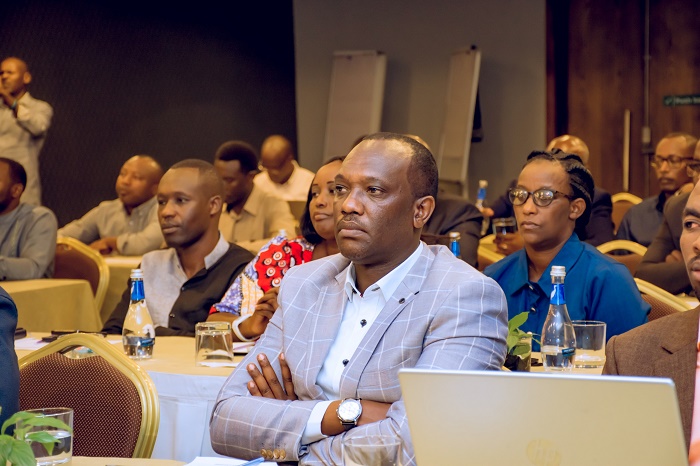
Participants in the forum also discussed how to accelerate urbanization while protecting farmland, supporting local communities, and guiding investments.
Esther Ndacyayisenga, the urbanization and rural sector coordinator at the Ministry of Infrastructure, said the forum was a timely initiative. She noted that having a master plan is only the first step, adding that “we also need detailed plans that clearly show what will be done, where it will be done, and how it will be implemented.”
The forum concluded with a shared commitment to careful planning, regulatory compliance, and inclusive growth, laying the foundation for a modern, competitive, and environmentally responsible Eastern Province.
The forum served as a platform for discussion, reflection, and alignment between national and local authorities, investors, and development partners. Participants explored strategies to accelerate urbanization while preserving agricultural productivity and natural resources, ensuring that Eastern Province continues to play a vital role in Rwanda’s socio-economic transformation.