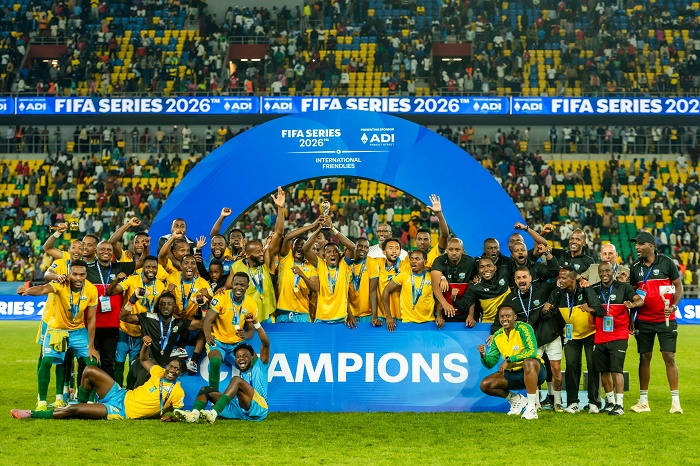
For a team that has spent much of its recent history searching for a foothold, this felt like something different. Not dramatic, not chaotic, just controlled, purposeful, and, in the end, deserved.
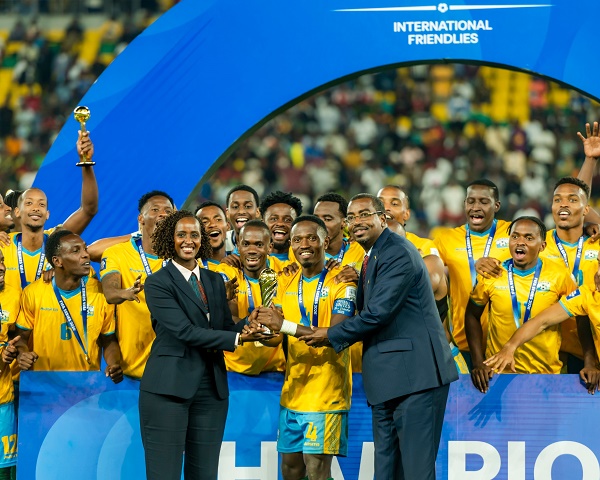
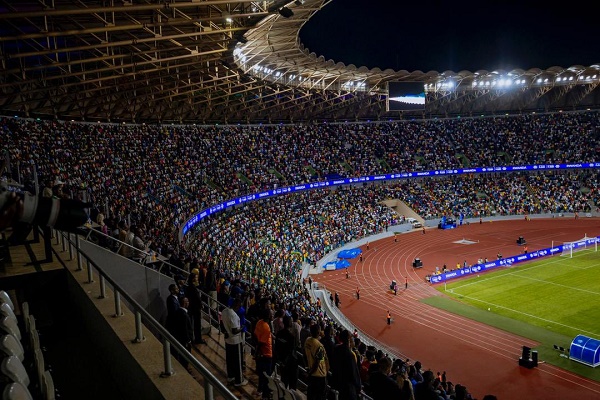
The Rwanda national football team has ended a 27-year wait for silverware, beating Estonia national football team to lift the FIFA Series 2026 Group B title in front of a packed Amahoro National Stadium on Monday night.
It wasn’t a performance built on moments of luck. Rwanda set the tone early and stuck to it. After half an hour, they were ahead, Abeddy Biramahire finishing calmly after a well-worked move that ran through the Mickels brothers. Joy-Slayd Mickels delivered the cross, Jacques Leroy Mickels the provider before that. It was simple, effective football.
The second half followed a similar script. Rwanda didn’t rush. They didn’t need to. Instead, they waited for the right moment, and when it came, they took it. From a corner, Jojea Kwizera found Leroy Mickels, who finished with the kind of composure that settles finals. At 2–0, the game was effectively done.
Mickels, who had been central throughout the tournament, was later named best player of the tournament.
There’s a sense this result didn’t arrive in isolation. Rwanda’s football landscape has been quietly shifting. The return of Stephen Constantine, a coach whose career has taken him across continents, suggests a federation leaning back into familiarity, but with clearer intent this time. As former captain Haruna Niyonzima put it simply: “The man is serious.”
“I don’t want people to think we’re going to the World Cup just because we won the FIFA Series,” said Amavubi Head Coach Stephen Constantine after winning two consecutive games in the FIFA Series 2026.”
“This is just the beginning, we have a lot of work to do..” He added.
Off the pitch, there are signs of the same patience beginning to show. FERWAFA has finally unveiled its long-awaited 42-room hotel, a project years in the making. It’s the kind of slow-burn development that rarely grabs headlines but often underpins the moments that do.
Players pointed to that growing sense of structure as part of the story. “We’ve always believed in ourselves,” one squad member Fitina Omborenga said afterwards. “We showed it in the first two games. Not conceding gave us confidence—we knew we were doing things right.”
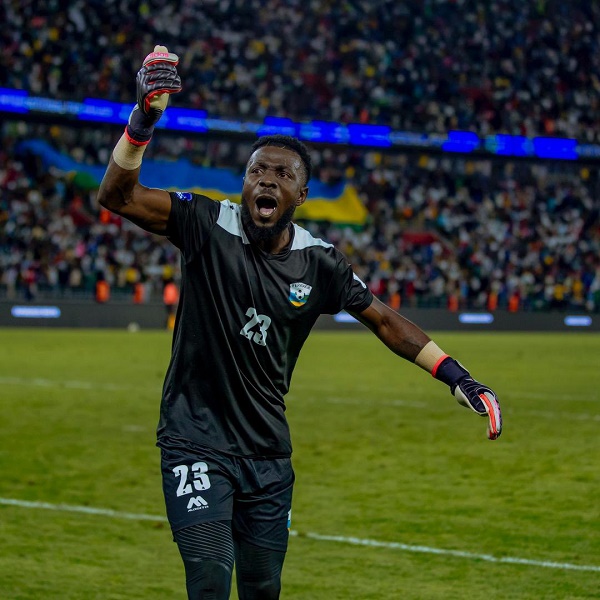
Amavubi goalkeeper Olivier Kwizera celebrating after the final whistle
Among supporters, the mood is cautiously optimistic. Some are ready to talk about a new chapter; others are holding back, waiting to see whether this is a turning point or just a well-timed high.
Either way, it matters. Trophies have been scarce. The last one came in 1999, when Rwanda lifted the CECAFA Cup in Kenya. For years, that stood alone.
Now, finally, there is another.
And for once, it feels like it might be the start of something, not just the end of a long wait.
Amahoro Natioal Stadium was full to capacity
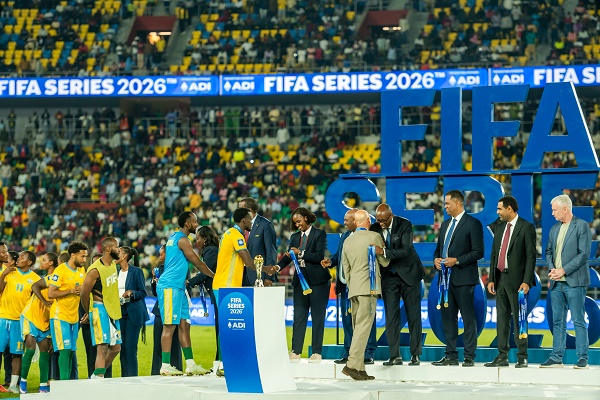
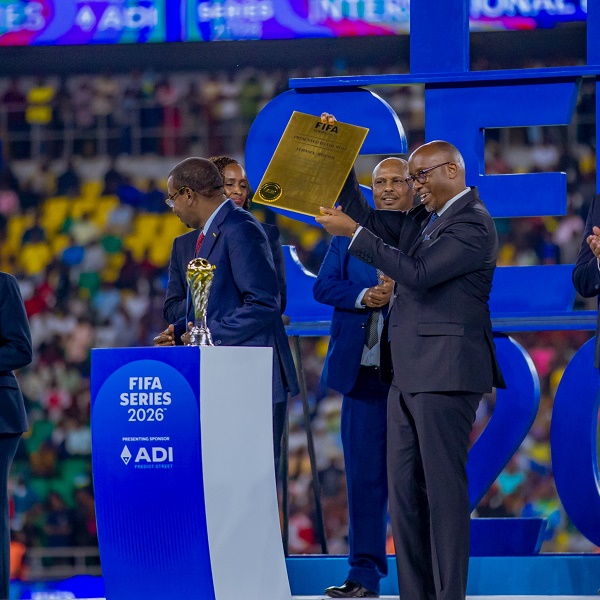
Rwanda football federation FERWAFA, Awarded for outstanding organization of the FIFA Series 2026.