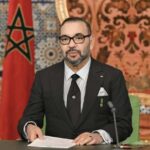
Democratic Republic of Congo President Felix Tshisekedi is suspending all trade agreements with Rwanda, which he accuses of supporting the M23 rebels, even though Kigali denies the accusations.
After a meeting that ended late in the night on Wednesday, June 15, Patrick Muyaya, the government spokesman, announced several resolutions by President Félix Tshisekedi and the High Council of Defence.
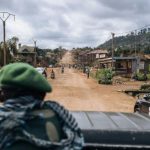
The meeting, chaired by President Félix Tshisekedi on Wednesday, focused on the issue of insecurity, especially in Rutshuru, according to government spokesman Patrick Muyaya in a statement read on state radio and television.
The Rwandan government denies DR Congo allegations that its troops are aiding the M23 rebel group, which seized the town of Bunagana on the DRC-Uganda border.
In a scathing statement accusing Rwanda of calling the M23 a terrorist organization, Patrick Muyaya said that its resolutions calls for;
“Rwanda should immediately withdraw its troops from behind the M23 terrorist group on Congolese soil.
“I urge the DRC government to suspend the agreement, and all agreements reached by Rwanda.”
The Rwandan Deputy Spokesman Alain Mukuralinda has told the BBC, “Let’s wait and see,”
DR Congo and Rwanda usually have a number of trade agreements, mineral processing, human trafficking, and more.
The suspension of an agreement between the two countries is a decision taken by the government before ratification by the legislature
Patrick Muyaya said the meeting supported the efforts to reconcile and seek the peace of Presidents João Lourenço of Angola and Uhuru Kenyatta of Kenya.
Muyaya also said that some government officials and a police chief had been appointed to take action against “anti-discrimination, poaching and other activities that undermine public order, unity and coexistence in these times.”
This is in the wake of reports of attacks on Kinyarwanda-speaking, Tutsi-speaking towns in eastern DRC, according to the M23 group.
The anti-Rwanda protests in Goma on Wednesday included looting of shops belonging to looters who claimed to be Rwandans, according to the BBC’s Julien Ngoyi in Goma.