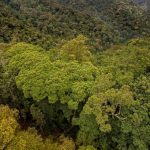
A total of 2,238 tree seedlings have been planted on eight hectares in Gahanga Sector, Kicukiro District, as Rwanda begins its 2026/2027 tree-planting and forestry season.
The exercise took place on Saturday, November 7, in Nyabigugu Village, Murinja Cell, bringing together more than 5,000 residents, security personnel and other partners in a special community work programme organised by the Rwanda Forestry Authority (RFA) in partnership with the Ministry of Environment.
Held under the theme, “My Tree, My Legacy”, the campaign seeks to encourage communities to take responsibility for planting, maintaining and protecting trees for the benefit of present and future generations.
Environmental officials used the occasion to stress that the success of tree-planting programmes should not be measured by the number of seedlings planted alone, but also by their survival and growth.
Fidèle Bingwa, Permanent Secretary at the Ministry of Environment, who joined residents in planting the seedlings, urged communities to remain committed to protecting the trees until they mature.
“People must remain committed to the legacy captured in the theme, ‘My Tree, My Legacy’, because that is how this natural resource will benefit your lives,” Bingwa said.
Concorde Nsengumuremyi, Director General of the Rwanda Forestry Authority, said expanding forest cover was important in addressing environmental challenges affecting communities, particularly soil erosion and land degradation.
He noted that communities are among the main beneficiaries of forest conservation because trees help protect soil, improve air quality and contribute to environmental sustainability.
Nsengumuremyi urged residents to take responsibility for the newly planted trees and prevent activities that could damage them.
For residents of the area, the initiative is also an investment in protecting agricultural land and securing a healthier environment.
Mukamutoni Rehema, a resident of the area, said her family had committed to protecting the trees because of their expected benefits, including reducing soil erosion and preserving the environment.
She added that forests also contribute to rainfall regulation and help control pests that damage crops.
“My family and I have made a commitment that we will not stand by and allow what we have achieved to be destroyed,” she said.
The species planted included Imisave, Umuhumuro, Jacaranda, Umugote and Umufu, among others.
The planting site is located near the Nyabarongo River wetland. The selected species are expected to contribute to soil conservation, improve the appearance of surrounding hillsides, particularly steep slopes, and support biodiversity conservation.
The exercise forms part of Rwanda’s broader efforts to expand forest cover, promote sustainable management of natural resources and strengthen communities’ capacity to respond to climate change.