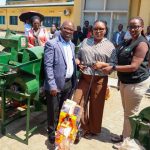
A new project aimed at improving school meals through iron-rich beans and nutritious vegetables was launched Tuesday in Rusizi District as Rwanda steps up efforts to tackle child malnutrition and improve learning outcomes.
The project, known as Scaling Sustainable School Feeding Innovations in Rwanda (3SFI), is being implemented by the Alliance of Bioversity International and CIAT through the Pan-Africa Bean Research Alliance (PABRA), in partnership with the Rwandan government and the Swiss Embassy in Rwanda.
Dr. Jean Claude Rubyogo, head of the bean program at the Alliance of Bioversity International and CIAT, said the initiative builds on years of agricultural research.
“If improved bean varieties do not reach communities, the investment made in developing them is wasted,” Rubyogo said.
He said students and teachers involved in pilot activities praised the beans for their taste and shorter cooking time.
Rubyogo added that the project should also benefit surrounding communities because children receive much of their daily food from home.
Richard Kabana, director general at the Ministry of Local Government, said school feeding programs help reduce dropout rates and improve education outcomes.
“We cannot build productive communities without healthy children who are able to learn,” he said.
Rusizi Mayor Phanuel Sindayiheba said parents have welcomed the beans because they cook faster and are appealing to children.
The project started in November 2025 and has reached 509 schools in Karongi, Nyamasheke and Rusizi districts.
Officials said it is expected to produce 427 tons of beans and benefit more than 445,000 students in western Rwanda.