Rwanda’s Higher Education Council (HEC) on Monday launched a nationwide initiative to visit universities and higher learning institutions, aiming to assess operations and strengthen collaboration to improve the quality of teaching and learning.
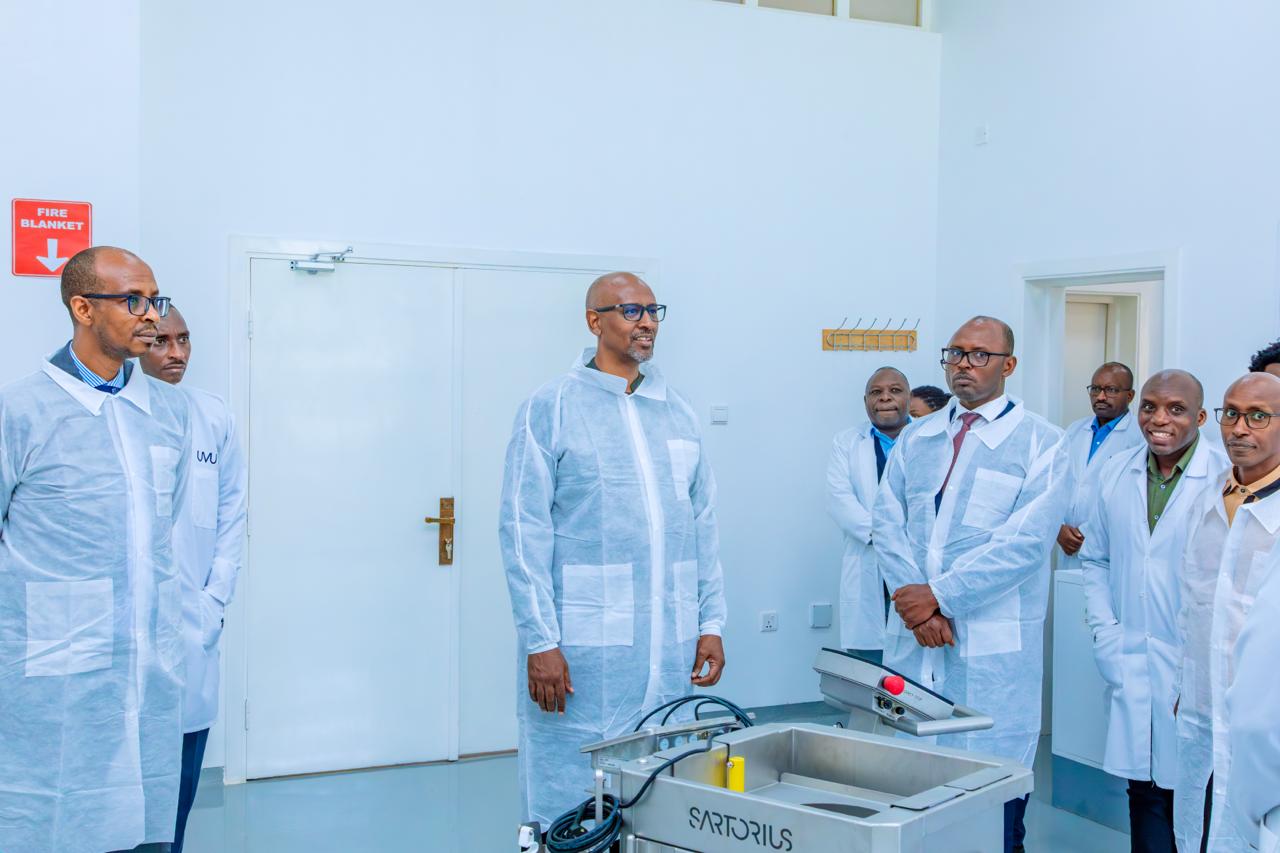
The program began May 4, 2026, at the University of Rwanda’s College of Science and Technology, formerly known as KIST, where officials from the Ministry of Education and HEC toured laboratories used by students for practical training.
Prof. Didas Kayihura Muganga, Deputy Vice Chancellor of University of Rwanda said the institution is generally performing well but still faces gaps.
“I would not say we are doing poorly. We are not yet at 100% of where we want to be, but overall we are in a good position,” he said. “Many of our laboratories meet international standards and host researchers and students from different countries. However, we need to continue improving and adding equipment.”
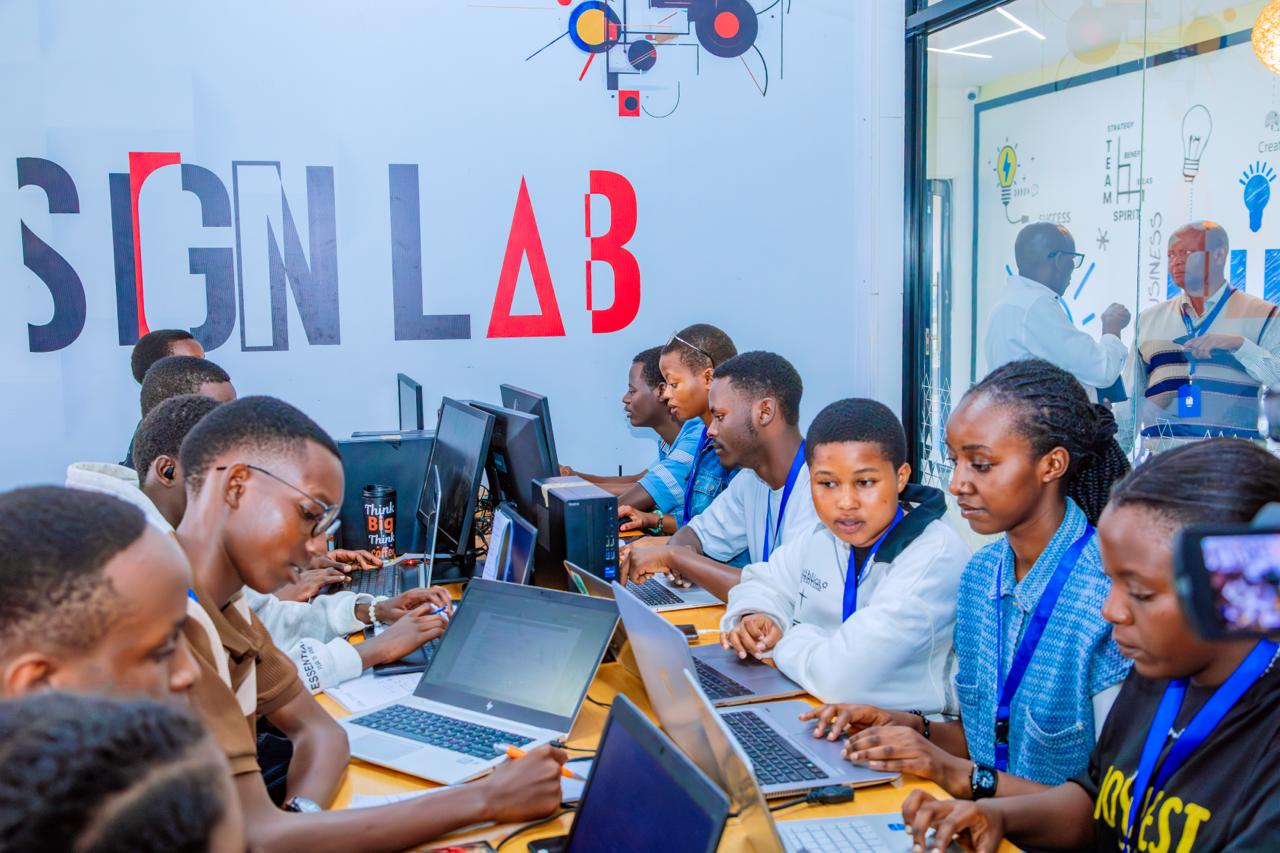
He noted that while some laboratories are fully equipped to international standards, others lag behind, prompting joint efforts with the Ministry of Education and HEC to upgrade them.
Discussions during the visit highlighted broader challenges facing the university, including insufficient laboratory facilities, a shortage of technical staff to support lab operations and a lack of enough lecturers to match the growing student population. Officials and partners pledged various forms of support to address these issues.
HEC Director General Dr. Edward Kadozi said the visits will also examine collaboration between academia and the private sector, particularly in addressing skills gaps and employability.
“Key areas include how education stakeholders work with the private sector to solve challenges in education, the relevance of skills students acquire and their access to employment,” he said. “We are also assessing whether institutions have adequate facilities and whether students receive sufficient practical training and are taught by qualified staff.”
Education Minister Joseph Nsengimana said the initiative is intended to ensure graduates leave university with practical skills aligned to labor market needs.
“When students graduate, they immediately enter the job market. If they lack hands-on experience with the tools they will use, they fall behind,” he said. “It is important that they gain practical skills and deepen their knowledge so they can perform effectively from the start. This will be done in collaboration with the private sector, which will help identify needed skills.”
The initiative will extend beyond public universities to include private higher learning institutions across the country.
Officials said the visits will also provide a platform for dialogue with university leaders, faculty and other stakeholders to assess challenges in higher education, gather feedback and jointly develop solutions and necessary reforms.