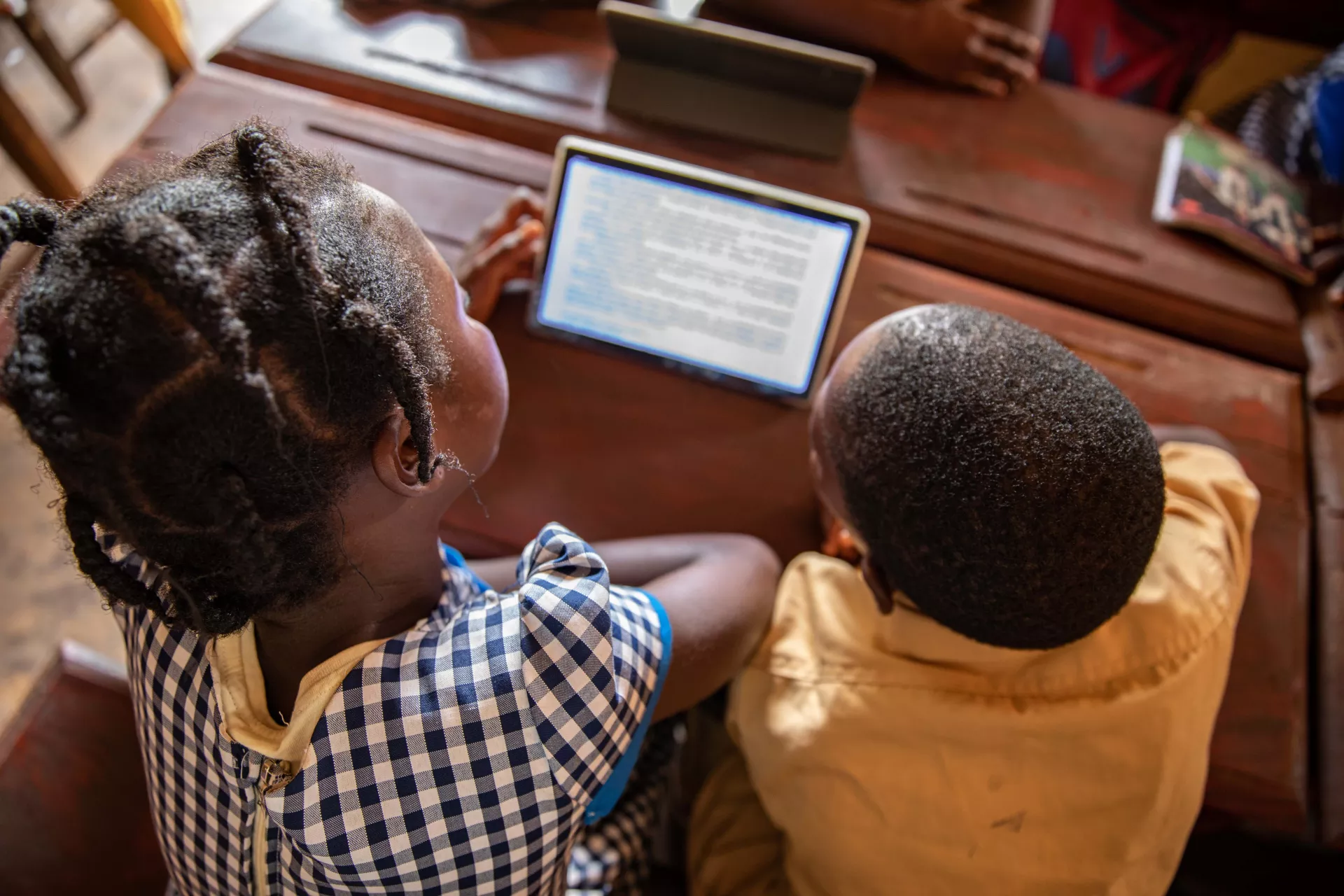
The Rwandan government is drafting new legislation to ban children under the age of 16 from using social media, citing the need to protect their mental health and cognitive development.
The Ministry of ICT and Innovation, alongside the Ministry of Education, announced that the move aims to curb the “damaging effects” of excessive screen time and unsupervised internet access.
Speaking on the national broadcaster, RBA, ICT Minister Paula Ingabire revealed that the country’s forthcoming digital ID system will be the primary tool used to enforce the age restriction.
Currently, Rwandan national IDs are issued at age 16. However, the new digital identity system will register citizens from birth, allowing for strict age verification on digital platforms.
“A child wishing to access social media will be required to enter their identity details,” Ms Ingabire said. “By using their real profile linked to their digital ID, the system will automatically allow or deny access based on their age.”
The minister confirmed that the government is currently conducting a study with telecommunications companies to ensure the technical infrastructure is ready before the policy is enshrined in law.
Education Minister Dr Joseph Nsengimana stressed that the measures are not intended to hinder technological progress but to ensure it is used responsibly.
“People should understand that this is not about fighting technology or phones,” Dr Nsengimana said. “It is about how they should be used to benefit people. We want children to focus on their studies without distractions.”
He added that even for students over 16, the existing ban on carrying mobile phones to secondary schools remains in place.
The move places Rwanda among a growing list of nations seeking to regulate the digital lives of minors.
- Australia recently introduced landmark legislation to ban social media for under-16s.
- Spain has approved a law raising the minimum age for opening a social media account from 14 to 16.
- France has previously tested “digital puberty” laws to restrict access for those under 15.
In the interim, the Rwandan government is developing a parental monitoring application. This tool is intended to help parents track their children’s digital footprints on phones and computers before the full legal ban is implemented.
Critics in other jurisdictions have previously raised concerns regarding privacy and the effectiveness of age-verification technology, but officials insist the move is a necessary step to protect the next generation in an increasingly digital world.