Rwanda’s push toward electric public transport is helping cushion commuters from steep fare increases driven by rising global fuel prices, officials say.
State Minister for Infrastructure Jean de Dieu Uwihanganye said passenger fares have risen by 35%, significantly lower than the projected 120% increase that could have occurred without electric vehicles in operation.
Uwihanganye addressed concerns over why fares remain uniform across buses powered by diesel, gasoline and electricity, despite electric vehicles not depending on petroleum. He explained that the government sets maximum fares, allowing operators to charge less if possible, and that pricing reflects a range of costs beyond fuel.
“Expenses such as spare parts, tires and maintenance have all gone up, and these affect electric vehicles as well,” he said. “Electric buses have instead helped prevent fares from rising too sharply.”
The government has also introduced tax incentives to support the transition, part of a broader strategy to reduce reliance on imported fuel and strengthen economic resilience. Uwihanganye noted that companies operating more electric vehicles can achieve better profitability compared with those relying on diesel fleets.
He urged citizens to adapt to current economic pressures by limiting unnecessary travel, sharing vehicles and prioritizing public transport. He also called for energy-saving practices at home, including reducing electricity use and managing cooking gas efficiently.
“These are collective measures needed to navigate these challenging times,” he said, warning that failure to act could lead to stricter steps such as fuel rationing.
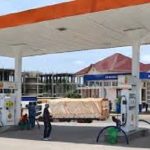
Trade and Industry Minister Prudence Sebahizi said Rwanda spends about $700 million annually on petroleum imports, a significant cost to the economy. He cautioned that fuel rationing remains a possibility if global pressures persist.