The Rwanda Utilities Regulatory Authority (RURA) announced new fuel prices and public transport fares, citing global market trends and rising operational costs, in a move expected to directly impact commuters and motorists across the country.
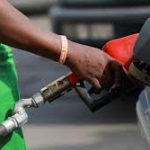
In a communiqué released on Friday, RURA announced that, effective April 4, gasoline prices will rise from Rwf1,989 to Rwf2,303 per litre, an increase of Rwf314, while diesel will go up from Rwf1,948 to Rwf2,205 per litre, marking a Rwf257 increase.
The regulator noted that the adjustments reflect international price movements and government measures to cushion the impact of global fluctuations.
The increase in fuel prices has also triggered a revision of public transport fares. In Kigali, passengers will now pay 59.28 francs per kilometre, while intercity transport is set at 41.58 francs per kilometre, with the new tariffs taking effect on April 6.
While the increase may appear modest on a single journey, regular commuters say the cumulative effect will be felt, especially as fuel prices continue to rise.
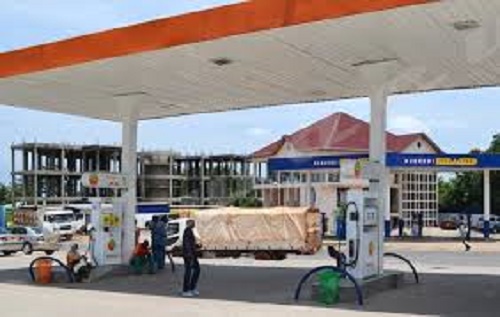
At the same time, motorists in Kayonza District say they are facing a different challenge, fuel availability. Several drivers reported that petrol has recently been scarce in the district, forcing them to travel to neighboring Rwamagana to refuel.
“We’ve been going to Rwamagana because some stations here don’t have petrol,” one motorist Clever Kagarara from Kayonza District said. “Even when fuel arrives, they don’t allow you to fill large quantities, especially if you need to fill a tank.”
Others described long uncertainty at local stations, raising concerns about supply consistency in the Eastern Province.
RURA acknowledged the broader pressures behind the price adjustments, pointing to global fuel market volatility and rising operational costs in the transport sector.
The regulator also urged the public to plan travel efficiently, use public transport, and avoid unnecessary trips in order to reduce fuel consumption.
Despite the adjustments, Prime Minister Justin Nsengiyumva said they will continue monitoring the international market.
Read More: https://rwandadispatch.com/middle-east-conflict-to-push-up-prices-in-rwanda-pm-says/
“There are already impacts on international trade, particularly in transport costs, which have started to create visible effects on prices in the global market, including petroleum and gas products,” Nsengiyumva said at a press conference held on Friday, April 3.
Fuel price fluctuations are not new in Rwanda, where pump prices are periodically revised after every three months to reflect global oil trends. Data shows prices have steadily increased over the past year, driven largely by international demand and supply dynamics.