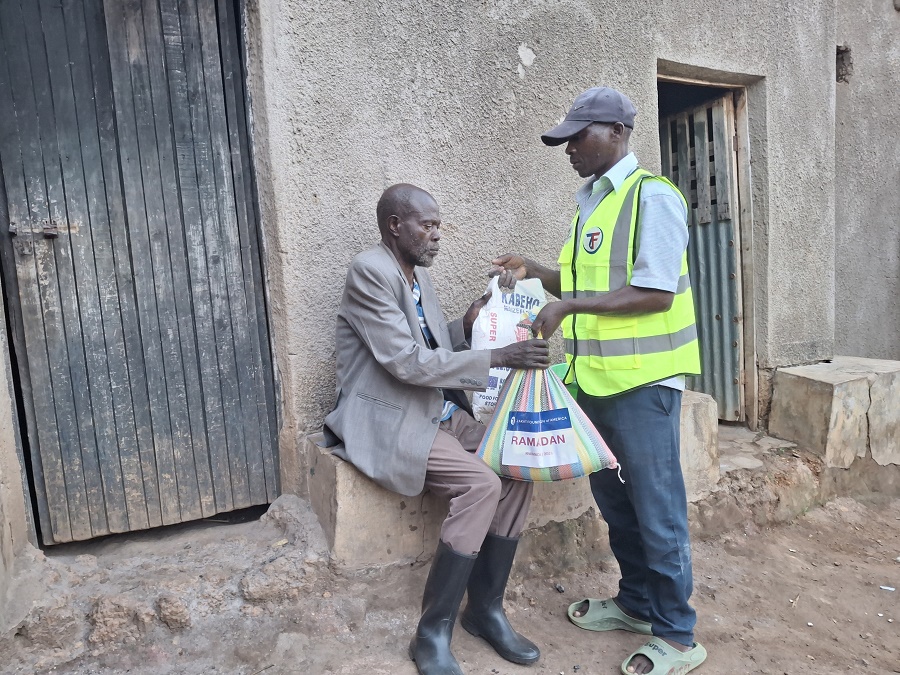
Zakat Foundation of America in partnership with Abdullah Kiromba Foundation (AKF) has reached over 4,000 Muslims across Rwanda through its Ramadan outreach program. The Food Distribution Program was aimed to support Muslim residents, children, and families observing the holy month.
As Muslims across Rwanda observed the holy month of Ramadan, a spirit of generosity and solidarity reached communities in need. Zakat Foundation of America and AKF provided food assistance to more than 4,000 Muslims across the districts of Gatsibo, Musanze, Nyarugenge (Kigali), Kamonyi, and Rubavu. The Ramadan outreach program aims to support vulnerable families, children, and community members during the fasting period, ensuring they have meals to break their fast and observe the month with dignity.
Ramadan recognized worldwide as the holy month of fasting, which this year will culminate on March 19 or 20, 2026, with Eid al-Fitr celebrations. In honor of this important occasion, Zakat Foundation of America and AKF have been distributing food packages, and Iftar meals.
Under this program, orphaned children were also supported. The initiative included assorted gifts and clothing items, helping them dress appropriately and celebrate the end of Ramadan in a dignified and joyful way.
“Our mission is to stand with Muslim communities during Ramadan by extending kindness and practical support, ensuring that even the most vulnerable can celebrate the end of the holy month with hope and dignity,” said Donati Niyonsaba, President and Legal Secretary of the AKF.
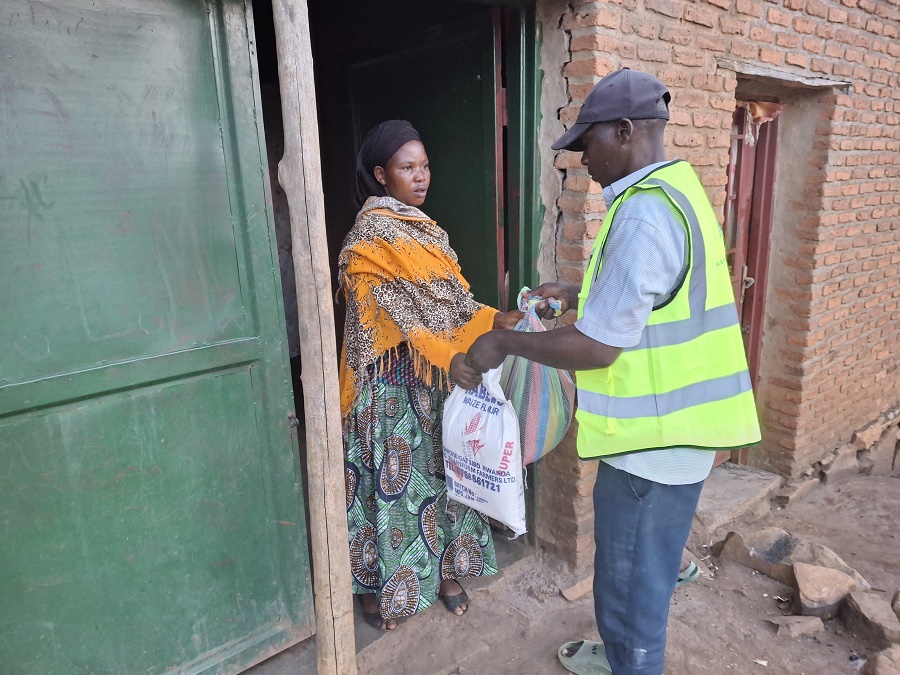
Among the items distributed to families and beneficiaries were kilograms of rice, maize flour, sugar, and cooking oil, providing essential support to help households prepare meals during Ramadan. As part of the Iftar program, guided by the values of charity and the spirit of giving emphasized in Islamic teachings, the foundations also provided nutritious meals across different districts, ensuring that communities could break their fast with dignity and support.
In Gatsibo District, more than 750 Muslims shared Iftar meals in Rwagitima, Gitoki, and Simbwa mosques. Fasting muslims gathered at their respective mosques to break their fast together.
In Musanze District, over 1,000 including students, among them Sudanese students studying at the Institute of Applied Sciences, joined communal Iftar gatherings at local mosque. Meanwhile, in Rubavu (Gisenyi), more than 100 vulnerable families received support through the program and more than 600 gathered at a mosque in Rubavu town to shared iftar to break the fast over the weekend.
On behalf of the mosque in Gisenyi-Rubavu District, Imam Omari Baranyereka shared his sincere appreciation for the food supplies and the iftar that was provided to the Muslim community. “We thank Allah for this iftar,” he said, “and we pray that He accepts it and multiplies the reward for making it possible.”
He went on to reflect on what the gathering meant for thoses who attended, “You can really see the impact,not just on the children, but on the women as well. This is something special, especially considering how many people came together. It’s the first time we’ve seen something like this on such a scale at our mosque.”
Speaking about the deeper meaning of Ramadan, he added, “Ramadan is a time ordained by Allah. It brings Muslims together, encourages us to share, and helps us grow closer to Him. It strengthens love among believers and reminds us of the importance of unity.”
On Friday, March 6, 2026, more than 400 people—including men, women and children—gathered at Masjid Musa to break their fast. At a mosque in Muganza of Kamonyi district, about 200 had previously gathered to share Iftar while 200 vulnerable families were directly given food packages at their homes.
Muslim and authorities welcomed the gesture and praised the continued outreach by Zakat Foundation of America and AKF in supporting Beneficiaries and vulnerable communities.
At Simbwe Mosque in Kabarore Sector, Imam Rwizangogo Abasi expressed gratitude for the support reaching vulnerable families. “We are thankful for the food packages that will help beneficiaries break their fast during Ramadan,” he noted. “This gesture reflects true compassion and encourages vulnerable Muslims to remain disciplined.
The initiative is part of a broader Ramadan relief campaign led by AKF across multiple districts in Rwanda. For two weeks, the organization has been distributing food packages to Muslim communities, mosques, and families, promoting compassion, solidarity, and community welfare.
Read More: https://rwandadispatch.com/ramadan-support-brings-hope-to-vulnerable-families-in-rubavu/
Mariam Musabyimana, a mother of five and a participant in the AKF program in Gatsibo District, described Ramadan as a month of reflection, a time when Muslims are reminded to share what they have with those who have less.
“Prices at the market are skyrocketing,” she said. “You might think you have enough money to feed your family, but the reality is very different. What you can buy barely stretches, especially for someone like me who works on other people’s plantations.”
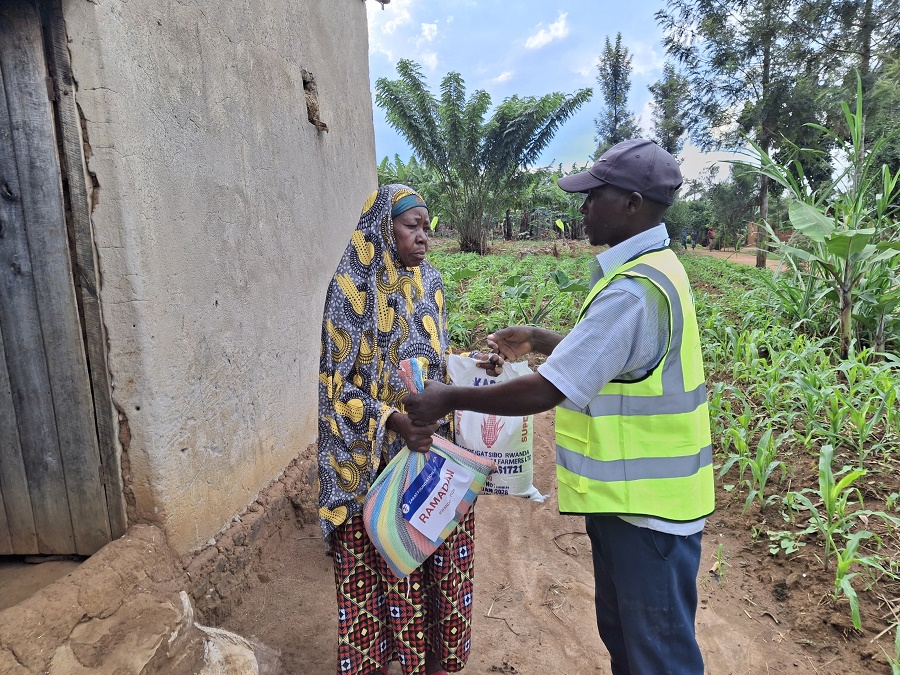
Musabyimana also encouraged families to continue practicing the values of discipline, patience, and self-control beyond the Ramadan fasting period.
She explained that these principles are not limited to the month itself. “Allah teaches us that discipline and patience are virtues that shape a responsible person. Ramadan helps us learn how to manage our desires, respect others, and strengthen our faith,” Kalema said.