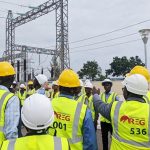
The Ministry of Agriculture and Animal Resources on Dec. 23, 2025, convened irrigation technicians and experts to strengthen oversight of irrigation projects, following growing concern over food shortages in parts of the country despite heavy public investment in agriculture.
The move comes after President Paul Kagame publicly questioned why food insecurity persists in some districts with strong agricultural potential. Speaking recently at the RPF-Inkotanyi national congress and later in Parliament, Kagame warned that weak leadership and poor implementation of agricultural programs erode public trust.
“When leaders neglect their responsibilities, citizens lose trust,” Kagame said, citing districts that continue to report hunger despite the availability of land and water resources.
Kagame specifically pointed to Kayonza District in the Eastern Province and Rusizi District in the Western Province, saying both areas have the capacity to produce sufficient food but remain vulnerable to recurring shortages. In Kayonza, a widely reported incident involving a parent cooking food to give children the impression that a meal was forthcoming underscored the severity of food insecurity in some communities.
The controversy prompted the Kayonza District Council in early December to dismiss the mayor and his deputies, accusing them of poor management of food shortages in drought-prone areas that could benefit from irrigation infrastructure.
Against this backdrop, the agriculture ministry organized a consultative meeting bringing together irrigation specialists from the Rwanda Agriculture and Animal Resources Development Board and its Single Project Implementation Unit. The meeting reviewed the implementation of ongoing irrigation projects, identified technical and coordination challenges and proposed measures to close gaps in project delivery.
The session, held in Kigali, was chaired by Agriculture Minister Dr. Telesphore Ndabamenye and Minister of State Solange Uwituze. Officials stressed that irrigation is a cornerstone of Rwanda’s agricultural transformation, particularly as climate change increases the frequency of droughts and disrupts rain-fed farming.
Ministry officials said improved coordination, stricter monitoring and clearer accountability are needed to ensure irrigation investments translate into improved food production at the local level. As part of the reforms, staff overseeing irrigation projects were instructed to operate under a unified National Irrigation Task Force.
The task force is expected to enhance collaboration among institutions, accelerate implementation and ensure irrigation systems reach communities most affected by food insecurity. The government views irrigation as a critical tool for boosting productivity, stabilizing harvests and strengthening long-term food security.