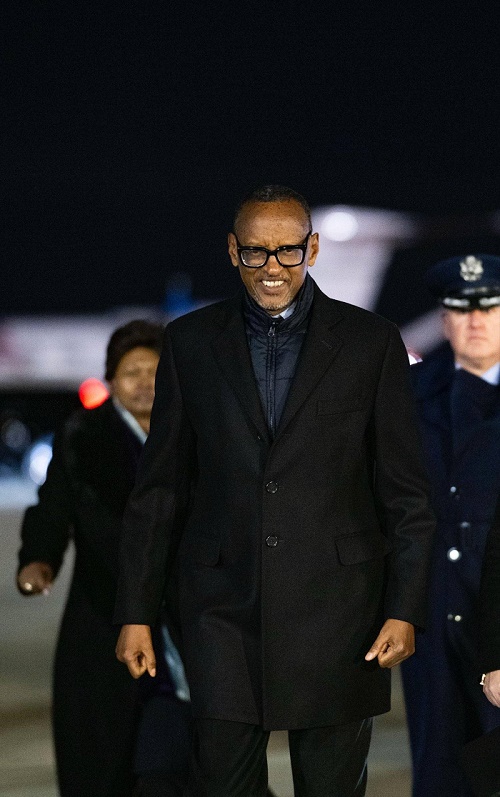
A new peace agreement being finalized in Washington has placed the Great Lakes region at a defining crossroads, as President Paul Kagame of Rwanda and President Félix Tshisekedi of the Democratic Republic of Congo work toward signing a deal that could either end years of conflict, or risk deepening instability if it falters.
U.S. officials have hailed the agreement as “a new chapter of hope and opportunity” for eastern DRC, an area long plagued by armed groups, mass displacement and recurring humanitarian crises. But behind the diplomatic optimism lies a high-stakes reality: the success or collapse of this deal could determine whether the region moves closer to lasting peace or slides back into renewed turmoil.
The signing of the agreement that will be hosted at the White House by U.S. President Donald, builds on a preliminary agreement signed in June 2025 by foreign ministers from both countries under U.S. and Qatari mediation. That deal laid out a framework for peace, calling for respect of territorial integrity, prohibition of hostilities, disarmament of non-state armed groups, and the return of refugees and internally displaced persons. It also envisioned economic cooperation between the two nations.
At the June ceremony in Washington, U.S. officials described the agreement as a “new chapter of hope and opportunity” for eastern Congo, a region long ravaged by fighting, displacement and humanitarian crisis.
If implemented, the final pact would include key measures such as: Withdrawal of foreign fighters from eastern DRC and a halt to cross-border interference. Neutralisation of militias such as the Democratic Forces for the Liberation of Rwanda (FDLR), which Kigali says threaten its security, and a broader disarmament of non-state armed groups.
In addition, launch of a regional economic integration framework to promote development in the mineral-rich east, including infrastructure, resource management and potential foreign investment, and also mechanisms for safe return of displaced populations and restoration of stability to conflict-hit communities.
Congolese President Tshisekedi has described the agreement as paving the way for “a new era of stability” for eastern DRC.
Despite diplomatic progress, many observers warn that the road ahead will be difficult. Implementation of key provisions has already lagged: proposed joint security committees and troop withdrawals have not proceeded as initially promised.
Meanwhile, violence continues on the ground. Just days before the planned Washington summit, multiple reports emerged southern Kivu accusing both the DRC military and the rebel coalition M23 of ceasefire violations in eastern provinces, casting a shadow over hopes the accord can deliver lasting peace.
Critics also argue that the deal places significant emphasis on economic incentives including access to minerals such as cobalt, gold and lithium, raising concerns it could prioritize resource exploitation over genuine reconciliation.
As the two presidents prepare to sign, attention will turn to: Whether Kigali and Kinshasa commit to concrete timelines for troop withdrawal, disarmament, and security coordination. How rebel groups particularly M23, respond: whether they accept new arrangements or continue hostilities.
Further, whether the agreement will lead to safe returns of displaced people and a tangible improvement in security for ordinary civilians. And the role of international actors, including the U.S., in ensuring implementation and supporting reconstruction/ investment that benefits local communities, not just mining interests.
For millions affected by years of conflict, the success or failure of this Washington-backed deal could define the next chapter of peace or further instability in a region long caught between war and fragile truces.