Journalists in Rwanda have been called upon to enhance professionalism and sensitivity in reporting gender-based violence (GBV). At a three-day training workshop in Kicukiro, Kigali, journalists and social media influencers explored the growing challenges of GBV and technology-facilitated GBV (TFGBV) and the crucial role the media plays in addressing them.
Health Development Initiative (HDI) facilitator and gender expert, Annociata Mukayitete, emphasized the importance of ethical and accurate GBV reporting, noting that journalists are key players in preventing TFGBV. “Understanding gender terms, concepts, and the law is crucial. It ensures that GBV cases are reported accurately and with sensitivity. The media also has a key role in raising awareness, so journalists need to understand the different types of GBV and their impact on victims,” she said.
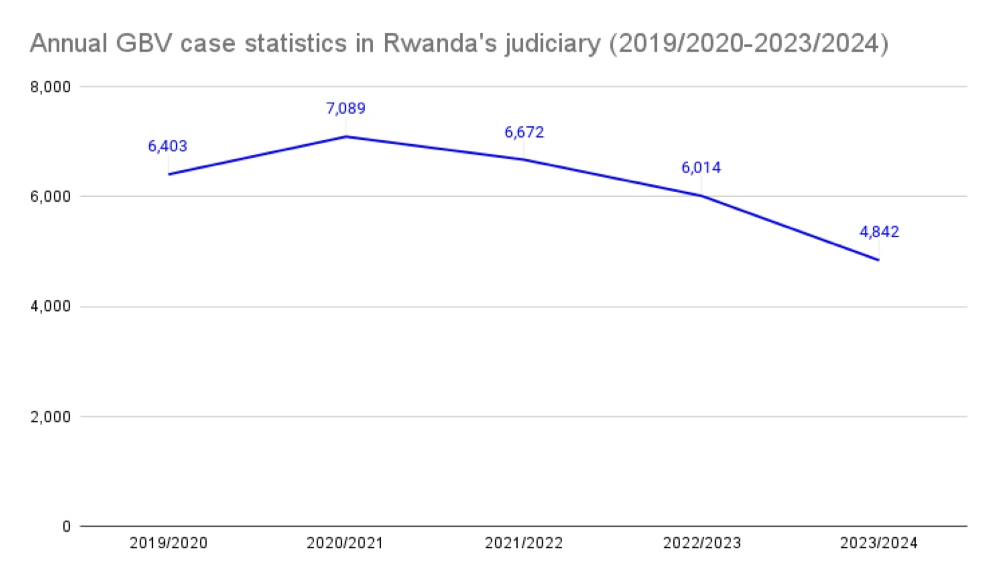
Rwanda received 4,842 GBV cases in 2023/2024. These were handled by intermediate courts (4,150), primary courts (340), and the High Court (351), with only one case reaching the Court of Appeal.
Judicial officials note that GBV cases referred to court have decreased by 24% over the past four years, a decline attributed to increased awareness campaigns.
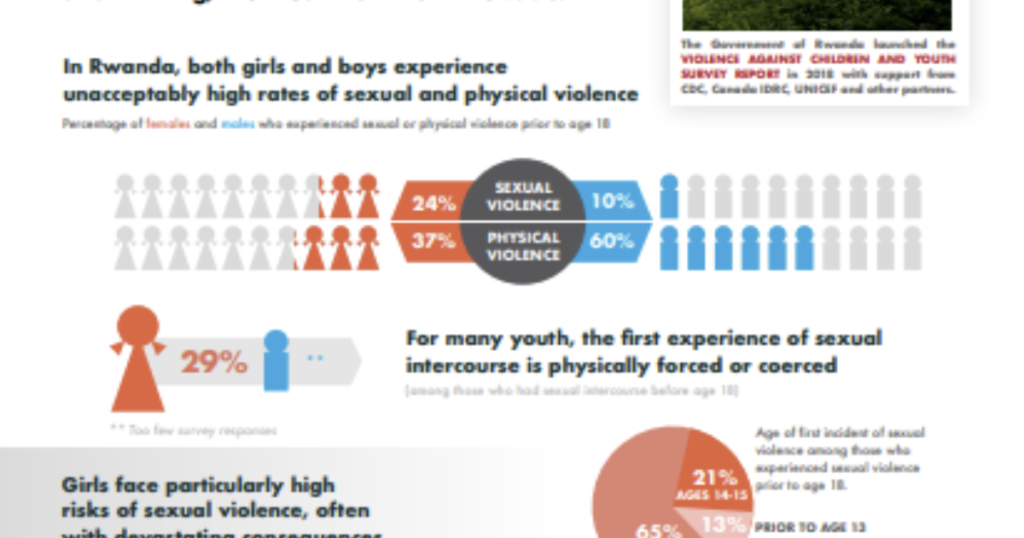
Approximately 30% of GBV survivors were children, highlighting the vulnerability of minors, while studies indicate that 42% of women aged 15–49 have experienced physical or sexual violence from a partner at some point, with 24% reporting such incidents within the last 12 months.
Additionally, the journalists were encouraged to collaborate with organizations and other institutions in developing and implementing local GBV prevention strategies. To combat TFGBV, journalists and influencers were urged to combine the power of storytelling to amplify survivors’ voices and drive meaningful change.
Although national statistics on TFGBV are limited, global data indicates that 59.9% of women with internet access have experienced online harassment, cyberstalking, or other technology-facilitated abuse (UNFPA).
The workshop also covered types of power, gender-related terms, and TFGBV with practical examples. Physical, economic, and social power dynamics were discussed, alongside gender nouns such as ‘woman,’ ‘man,’ or ‘non-binary.’
TFGBV examples included online harassment, cyberstalking, non-consensual sharing of intimate images, doxxing, and financial exploitation targeting women and marginalized groups.
Peace Hillary, a trainer and advocate for gender equality, highlighted the dual nature of digital platforms. “While social media offers opportunities to raise awareness, it also presents risks for women and marginalized groups vulnerable to TFGBV. The media can influence public opinion and give people a voice. It plays an important role in raising awareness, challenging harmful ideas, and promoting safety and rights, especially for women and girls,” she said.
Over 28 journalists and media influencers participated in the workshop to strengthen digital safety and ethical reporting practices. Edward Niyonkuru, a journalist from Igisabo Media House, noted, “Media houses without a dedicated focus on gender tend to lack gender-sensitive reporting, which can affect how GBV and other issues are covered. Understanding gender ensures stories are fair, accurate, and respectful to victims.”
He added, “Gender awareness in newsrooms is essential to report responsibly. Stories about women and marginalized groups need careful handling—understanding gender ensures that victims’ voices are heard and that reporting is fair, accurate, and respectful.”
Participants were also encouraged to familiarize themselves with the Gender-Based Violence Law (2008) and the International Labour Organization (ILO) standards. On November 1, 2023, Rwanda ratified ILO Convention No. 190 (C190), the first international treaty dedicated to eliminating violence and harassment in the workplace.