Despite notable strides in infrastructure development, Rwanda’s Western Province continues to face deep rooted poverty and youth unemployment, according to the latest findings from the National Institute of Statistics of Rwanda (NISR).
The seventh edition of the Integrated Household Living Conditions Survey (EICV7) shows that 37.4% of the province’s population still lives in poverty down from 51.7% seven years ago, yet among the highest rates nationally.
“The numbers do not lie,” said Western Province Governor Jean Bosco Ntibitura, who pledged to intensify efforts to combat poverty across the region. “We are going to take all possible measures to address these challenges.”
According to the data, Nyabihu District is the only area in the province with a poverty rate below the national average, at 20.2%. Other districts continue to face high poverty levels, including Rusizi (44.2%), Nyamasheke (42.8%), Rutsiro (40%), Rubavu (38.8%), Karongi (38.2%), and Ngororero (30.4%).
NISR officials say more targeted interventions are needed, particularly in job creation for young people, agricultural development, and reducing school dropout rates. The report indicates that 29.6% of youth in the province are unemployed, and 37% have not completed primary education.
“This is a critical demographic that needs urgent support if the province is to achieve sustainable development,” said a NISR representative during a recent stakeholder consultation on the survey findings.
Population pressure is also a concern. In Rubavu District, population density reaches 1,614 people per square kilometer among the highest in the country.
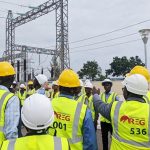
Despite these challenges, the province has made significant progress in infrastructure. Currently, 71.3% of households have access to electricity, and 84% have access to clean drinking water.
Local leaders who attended the consultation said the findings provide a clear roadmap for where to focus their development efforts.
“The data helps us understand where we are lagging and where we need to act,” one district official said.
The EICV7 report provides key insights that are expected to shape national and local planning as Rwanda pushes forward with its Vision 2050 development goals.