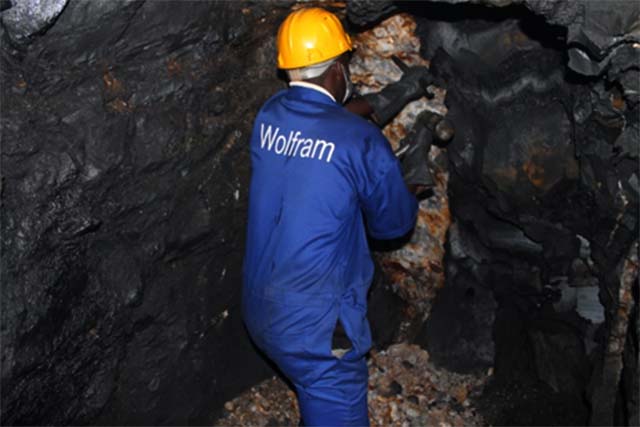
More than half of labor inspections in Rwanda’s construction and mining sectors fail to address workplace hazards or child labor, leaving workers exposed to serious safety risks, according to new findings by the Institute of Policy Analysis and Research (IPAR Rwanda).
The report, presented Tuesday in Kigali, analyzed data collected between 2019 and 2024 across all districts in Rwanda. Researchers surveyed 400 people, including construction and mining workers, their employers, labor inspectors, government officials, and civil society representatives. The study assessed how labor inspections are carried out and whether they promote decent working conditions.
According to IPAR, 58% of inspections focused mainly on wages and employee benefits such as social security and insurance. Only 7% of inspections looked at occupational safety, and just 4% examined child labor practices.
The report said that inspections often overlook crucial safety concerns, including protection from workplace accidents, exposure to harmful chemicals, and the availability of protective equipment.
More than 90% of workers interviewed said they did not know their labor rights, while many lacked formal contracts due to fear of being dismissed if they complained. The study found that 95% of safety inspections were conducted after accidents occurred, rather than serving a preventive purpose.
About 67.5% of inspections included guidance on improving safety, and 66.7% assessed compliance with occupational safety standards. Overall, 63% of inspections led to meaningful corrective action, 33% achieved partial results, and 4% had no measurable impact.
The study identified major challenges facing labor inspectors, including a shortage of equipment and vehicles to reach remote worksites. Only 60% of Rwanda’s hilly terrain is accessible for inspections, limiting coverage in high-risk mining and construction areas.
IPAR recommended strengthening coordination among oversight bodies, including the Rwanda Environment Management Authority (REMA), the Rwanda Mines, Petroleum and Gas Board (RMB), and the Ministry of Public Service and Labor (MIFOTRA). It also urged the government to make labor laws more accessible by translating them into Kinyarwanda, expand the use of technology in issuing construction and mining permits, and shift inspections toward prevention rather than reaction.
Despite progress in establishing labor laws and institutions, IPAR said weak enforcement, poor awareness among workers, and inadequate resources continue to undermine workplace safety. The report calls for greater investment in training, staffing, and monitoring to ensure safer, fairer working conditions in Rwanda’s fast-growing construction and mining sectors.