The African Development Bank (AfDB) has approved a $9.4 million grant (about 13.7 billion Rwandan francs) to help Rwanda combat frequent floods and landslides in the country’s western region, officials said.
The funding will support projects in Rusizi and Karongi districts, which have been repeatedly hit by disasters that destroy homes, schools and roads and threaten lives.
According to the Ministry of Environment, the project aims to strengthen communities’ resilience to climate change through ecosystem-based solutions such as reforestation, soil conservation, and erosion control.
More than 1.2 million residents are expected to benefit from early warning systems and disaster-prevention measures. About 620,000 people will see their risk of flooding significantly reduced.
Planned activities include planting trees on 10,000 hectares, constructing water drainage systems, and restoring degraded riverbanks and hillsides.
More than 6,000 people will receive training on climate change adaptation, while 120 environmental studies students will participate in field training to apply their classroom knowledge, officials said.
Lazarus Phiri, the project’s coordinator and a water and sanitation expert, said the initiative combines environmental protection with job creation.
“By using nature as the first line of defense, we are helping Rwandans adapt to climate change, create jobs, and protect biodiversity,” Phiri said.
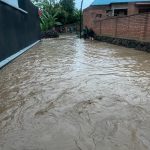
Landslides and floods are common in the steep hills of Karongi and Rusizi, where heavy rains have destroyed schools, damaged infrastructure, and forced families to relocate.
Government efforts to curb the damage have focused on tree planting, terracing, and erosion control to protect vital infrastructure, including roads, schools and water treatment facilities.
The project will also improve access to clean water in Karongi District and strengthen the ongoing Kivu Belt Water Project, also supported by the AfDB.
Officials said the initiative aligns with Rwanda’s long-term strategy to develop sustainable solutions to climate change while advancing the AfDB’s goal of building climate-resilient infrastructure across Africa.