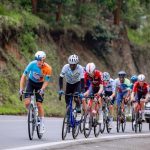
For the first time, the International Cycling Union (UCI) has released the quotas for the 2026 Cycling World Championships in Montreal immediately at the end of the season, giving federations across Africa a head start to plan their squads and fine-tune their race strategies.
For the third time, the world’s centerpiece will return to Canada from September 20 to 27 next year, after a year of being held outside Europe. Nearly 1,000 racers will ride across, the juniors, the under 23 and elite riders’s categories will take place in time trailers, road races, and mixed relay events. The numbers tell the story based on the Africa Tour rankings, the continent’s topp nations have little room to debate under the capped quotes.
In the men’s U23 Road Race, Eritrea again dominates with five spots, Mauritius has four, Algeria, Ethiopia, and South Africa take three each, while countries including Morocco, Tunisia, Angola, Zimbabwe and Rwanda, field one rider apiece. For the Women’s U23, any nation can enter up to five riders. Junior categories follow set quotas: two for men, four for women.
Rwanda, which hosted the World Championships 2025, becoming the first African nation to stage the UCI Worlds, previously fielded larger squads, giving its riders invaluable experience. Next year, with a single U23 slot, Rwanda Cycling Federation ( FERWACY) will need to rely on quality over quantity, hoping one rider can carry the torch and signal the country’s continued rise in international cycling.
Eritrea’s reputation as Africa’s cycling powerhouse remains untouchable in the men’s races, while Mauritius asserts itself on the women’s side. South Africa continues to punch above its weight, and even smaller nations now have a chance to showcase emerging talent on the world stage.
Early clarity on quotas means African teams can start locking in training camps, fine-tune tactics, and focus on the race ahead rather than scrambling for last-minute decisions. It’s a luxury that previous generations of African cyclists didn’t always enjoy.
Once again, Montreal 2026 isn’t just another date on the calendar. It’s an opportunity for Africa’s riders to test themselves against the best, to turn early-season preparation into podium ambitions, and to show the world that African cycling is more than a rising story, but a force to be reckoned with.
For Rwanda, Eritrea, Mauritius, and South Africa, the countdown begins.