The World Bank has approved Rwf 204 billion ($141 million) to help Rwanda strengthen its disaster preparedness and response systems, officials said Tuesday.
The funding is provided through the Disaster Risk Management Development Policy Financing (DPF) program, which includes the Catastrophe Deferred Drawdown Option (Cat DDO). The initiative aims to build resilience against climate-related disasters, protecting lives and livelihoods.
The approval follows consultations with the Global Facility for Disaster Reduction and Recovery (GFDRR) and is structured around three pillars: enhancing early warning and risk information systems, improving inter-agency coordination, and strengthening infrastructure and environmental management.
Rwanda faces increasing climate-related hazards, with about 80% of disasters linked to weather events. The World Bank notes that floods, landslides, and droughts have become more frequent and severe since 2000.
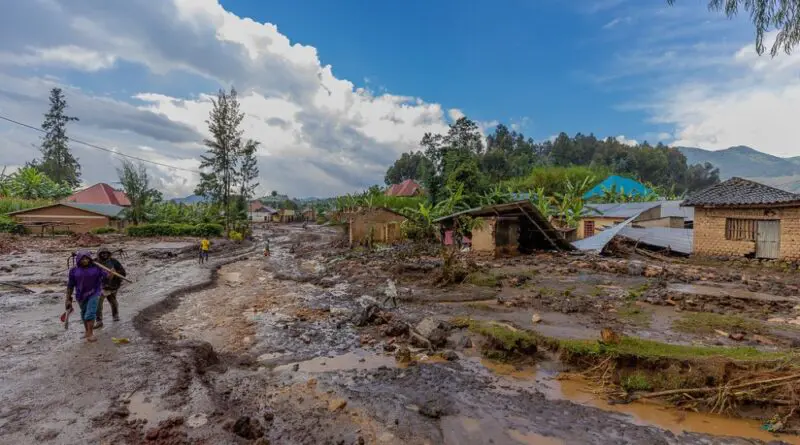
The financing will support measures addressing the May 2023 floods and landslides, which killed 131 people, injured 104, left over 18,000 homeless, and caused more than Rwf 271 billion ($187 million) in damages.
The program complements Rwanda’s disaster management strategies, including measures in the 2023 Second National Strategy for Transformation (NST2).
Sahr Kpundeh, World Bank representative in Rwanda, said, “Rwanda has made remarkable progress over the past 20 years, but climate change could undermine these gains. Lessons from the May 2023 floods informed this program, targeting vulnerable communities.”
Saurabh Dani, a World Bank official, added that the Cat DDO’s integrated approach—aligning agencies, improving building standards, and strengthening environmental management—will enhance Rwanda’s multi-level disaster resilience.
The program also aligns with the World Bank-Rwanda 2021–2026 cooperation goals, which aim to integrate disaster risk management into national development planning and address growing urban flood risks.